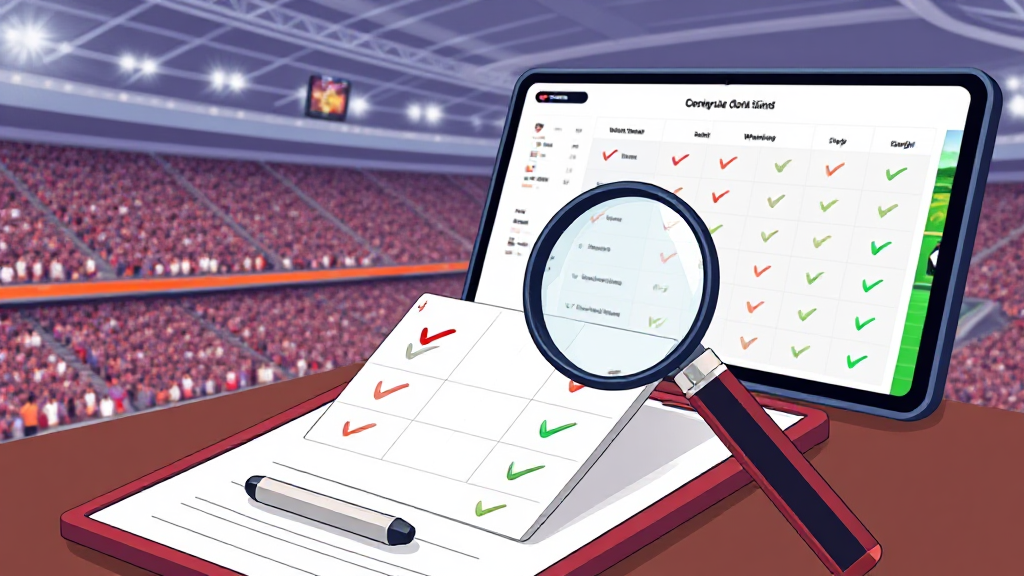
Faster Comparison Without Cutting Corners on All Rummy Game
Twenty listings times ten minutes each is a working afternoon nobody planned for. That is the real cost of comparing card-game apps carefully: not the download, not the sign-up, but the slow accumulation of minutes spent reading bonus paragraphs, scanning withdrawal notes, and second-guessing whether two offers are actually the same offer in different fonts. For busy adults who still want to be careful, the answer is not to read less. It is to triage better. A structured first pass through a directory such as Online Yono Apk listings can cut the time spent on obviously unsuitable options, leaving more attention for the few listings that genuinely deserve a close read.
The hidden cost of comparing every listing the same way
Most comparison fatigue comes from treating every listing as equally worthy of attention. A listing with a vague bonus clause and a listing with a clearly stated threshold both get the same ten minutes, even though only one of them is likely to survive scrutiny. Multiply that across a directory page and the afternoon disappears.
The inefficiency compounds because bonus wording and withdrawal cues are rarely written for quick scanning. One listing buries its turnover requirement in a footnote; another states it plainly in the first line. If you read both at the same pace, you spend most of your time on the listing that was never going to make your shortlist. The goal of triage is to reverse that ratio: spend two minutes eliminating the weak options and eight minutes on the strong ones.
There is also a psychological cost. When comparison feels endless, people start skipping steps entirely, which is the opposite of careful. A faster method that preserves the important checks is safer than a slow method people abandon halfway through.
A three-pass triage method for app listings
The method below assumes you are working from a directory that already groups listings for you, which is where a resource like 3 Patti Apps earns its place. The three passes are deliberately unequal in length.
Pass one: eliminate on structure, not detail. Give each listing under a minute. You are not judging the offer; you are judging whether the listing tells you enough to judge it. Does it state the bonus terms in plain language? Does it mention withdrawal conditions at all? Does it carry a verified outbound label before you visit the third-party operator? Listings that fail these structural checks go to the bottom of the pile regardless of how attractive the headline number looks.
Pass two: compare like with like. Take the survivors and line up their bonus wording side by side. The trap here is comparing a headline percentage against a headline amount. Normalise first: what is the qualifying threshold, what is the turnover requirement, and what is the time window? Only then does the comparison mean anything. This pass is where most of your reading time should go, because it is where the real differences live.
Pass three: check the exit before the entrance. Withdrawal cues deserve their own pass because they are the part of a listing people skim when they are excited about a bonus. Read the withdrawal notes on your final two or three candidates and ask whether the conditions are stated clearly enough that you could explain them to someone else. If you cannot, that is a signal to slow down rather than speed up.
Worked example: from twenty listings to a shortlist
Suppose a directory page shows twenty card-game app listings. In the old approach, that is roughly three hours of reading. Under triage, pass one takes about fifteen minutes: twenty listings at under a minute each, with perhaps eight eliminated for missing or vague terms and another four set aside because the outbound label has not been verified.
Eight listings remain. Pass two takes about forty minutes, because you are now reading bonus wording closely and normalising thresholds rather than skimming headlines. Expect this pass to halve the field again; four candidates is a realistic outcome. Pass three takes fifteen minutes on withdrawal cues, and you finish with two or three listings you actually understand.
Total time: roughly seventy minutes instead of three hours, with more attention per surviving listing rather than less. The savings come entirely from not spending premium reading time on listings that failed basic structural checks. Nothing important was skipped; the order of operations simply changed.
One refinement worth adopting: keep a short note on each eliminated listing recording why it was cut. When offers and thresholds change, as they routinely do, you can re-check the eliminated pile quickly instead of restarting from scratch. A directory that flags when terms may have shifted makes this even easier, which is part of why the editorial approach behind Online Yono Apk rankings emphasises rechecking rather than treating any comparison as permanent.
Where speed must stop and care must resume
Triage is a filter, not a substitute for judgement. Three moments deserve full attention no matter how efficient your process is. The first is any bonus clause you cannot restate in your own words; ambiguity is not a minor formatting issue. The second is the withdrawal section, where small wording differences can matter more than large headline numbers. The third is the moment before you visit a third-party operator, when it is worth confirming that the listing’s verified outbound label is current and that branding and terms have not changed since the directory was last updated.
It also helps to accept that comparison has a natural stopping point. Once two or three listings have survived all three passes and you understand their terms, further reading adds diminishing returns. The efficient comparison is the one that ends with a shortlist you can explain, not the one that continues until every listing has been read equally. Offers, thresholds, branding, and regulation can change quickly, so the sensible habit is a fast structured first pass, a careful second pass on the survivors, and a willingness to recheck before acting on anything you read.